
A fixed tub screen is usually better if you want a minimal look, easy cleaning, and open access to the tub. A full tub enclosure is better if water containment is the priority, especially in a busy family bathroom or with a high-pressure shower. Neither is universally better: the right choice depends on the showerhead position, how the tub is used, the available entry space, and how much occasional splashing you are willing to accept.
What Is the Difference Between the Two?
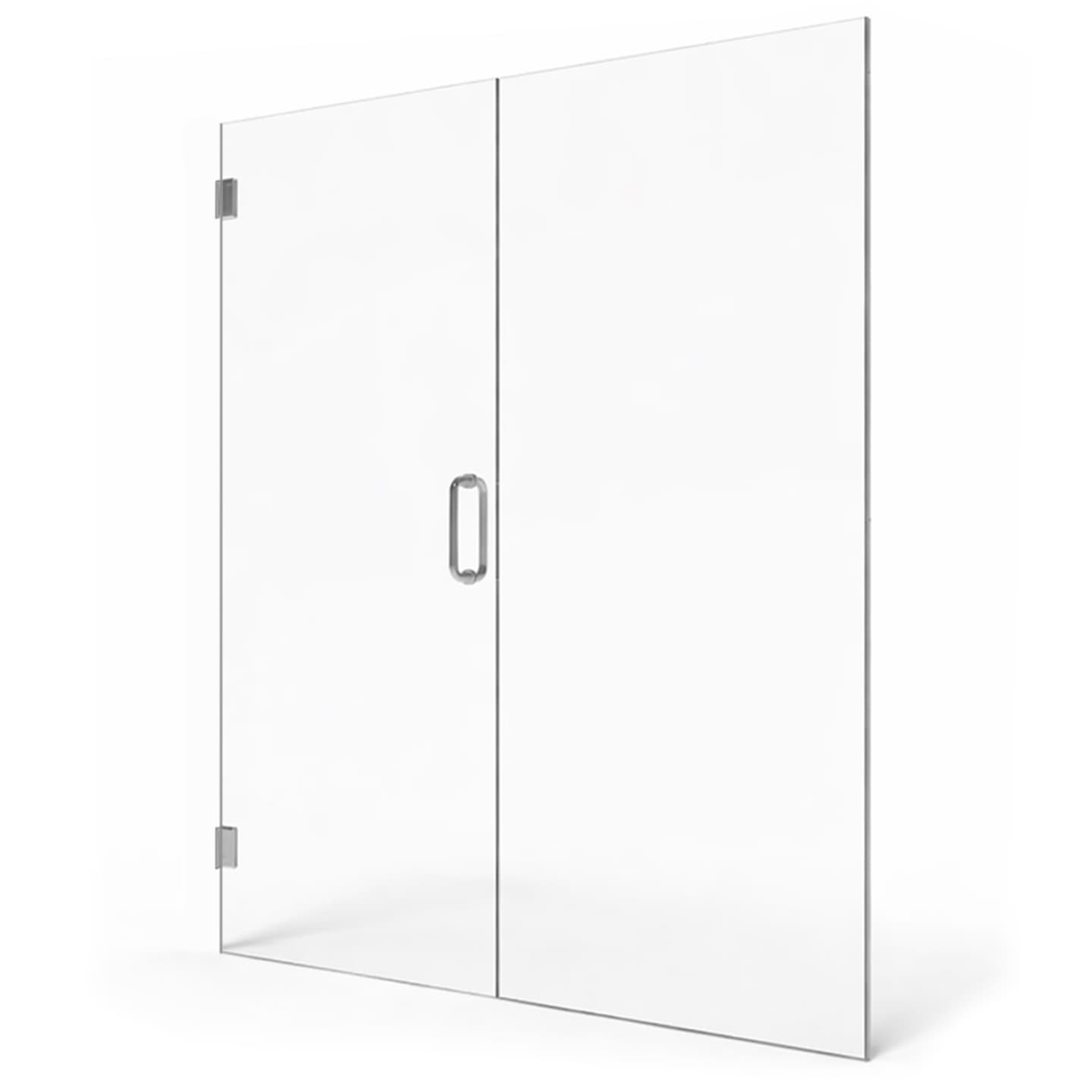
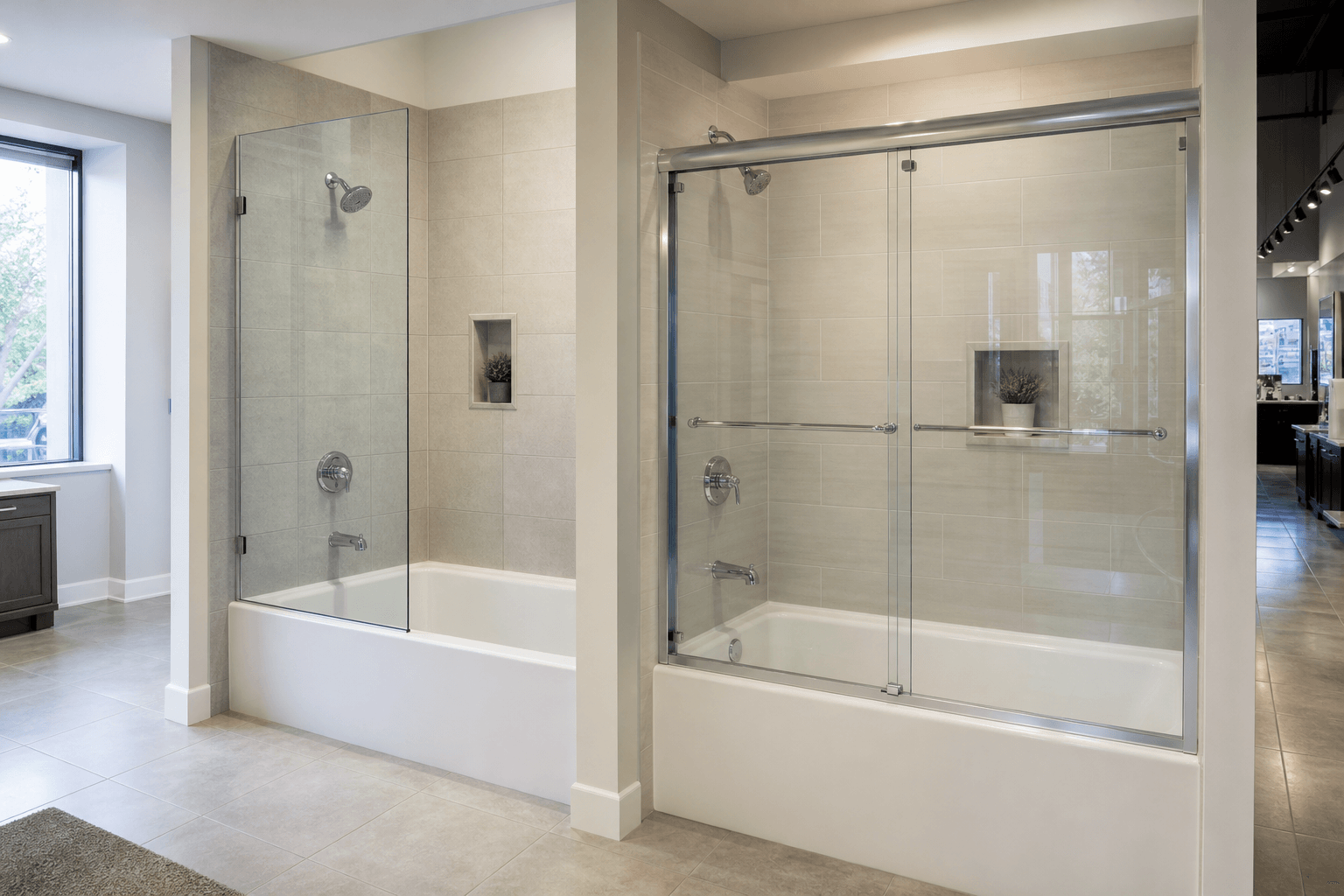
A fixed tub screen is a stationary glass panel installed at the showerhead end of the tub. It covers only part of the opening, leaving the remaining area open. A full tub enclosure spans most or all of the tub opening and typically uses sliding or swinging glass doors so bathers can enter and close the enclosure while showering.
- A fixed screen uses less glass and fewer moving parts.
- A full enclosure generally controls spray more effectively.
- A fixed screen creates a more open visual line through the bathroom.
- A full enclosure provides more separation between the wet area and the rest of the room.
- Both options should use properly sized tempered safety glass and hardware suited to the installation.
Where a Fixed Tub Screen Works Best
Fixed screens work well in primary bathrooms, guest bathrooms, and compact spaces where a shower curtain feels visually heavy. Because there are no rollers, handles, or overlapping door panels, the design keeps attention on the tile and makes the room feel less divided. It can also be easier to wipe down because there is less glass and hardware.
- The showerhead points downward and away from the open end.
- The tub has a wide, reasonably flat ledge for the glass attachment.
- Adults are the primary users and can keep spray directed toward the fixed panel.
- You prefer a minimal enclosure with fewer seams and moving components.
- The bathroom has adequate water-resistant flooring around the tub.
- You want easier access for turning on the water or cleaning the tub.
Will a Fixed Tub Screen Keep Water Off the Floor?
A properly planned fixed screen can contain normal spray near the showerhead, but it will not contain water as completely as a full enclosure. The open portion of the tub remains a path for splashing. Showerhead angle, water pressure, user height, tub length, and panel width all influence how much water reaches the floor.
- Children use the tub and tend to splash.
- A handheld shower is frequently aimed toward the open end.
- The showerhead sprays outward rather than downward.
- The tub is short or the showerhead is close to the panel's open edge.
- Water-sensitive cabinetry, trim, or flooring sits immediately beside the tub.
- Household members expect the enclosure to behave like a fully closed shower.
Why Choose a Full Tub Enclosure?
A full enclosure is the more practical option for controlling everyday spray. Sliding tub doors are especially useful where a swinging door would interfere with a toilet, vanity, towel bar, or walkway. Hinged configurations may provide a more open entrance, but the bathroom must have enough clearance for the door and the glass must not swing into fixtures. Even a full enclosure is not completely waterproof; doors and panels need functional gaps, and water can escape if spray is directed at those openings.
Which Option Is Easier to Clean?
The fixed screen normally wins for simplicity. It has a smaller glass area and no overlapping sliding panels or lower track to clean. A full enclosure requires more wiping, especially around handles, rollers, guides, or channels. In Florida bathrooms, regular drying and ventilation help limit mineral deposits and mildew around joints and hardware.
- Squeegee the glass after showering.
- Keep the showerhead aimed away from door gaps and open edges.
- Use a nonabrasive cleaner approved for shower glass and hardware.
- Clean tracks and guides before soap residue hardens.
- Consider a protective coating if hard-water spotting is a concern. EnduroShield, offered by Shower Doors of Sarasota, can be applied to any glass type and reduces water spots, soap scum, and mineral buildup by up to 90%.
How Do Access and Household Needs Affect the Choice?
Think about how people reach into and step over the tub. A fixed panel may limit access from the showerhead end, which can make bathing children or cleaning fixtures less convenient. Sliding doors also restrict entry because one panel overlaps the other. A hinged door may create a wider opening, but it needs safe swing clearance. Glass panels and doors should never be used as grab bars; anyone needing support should have properly anchored bathroom grab bars installed separately.
What Should Be Checked Before Ordering Glass?
The tub ledge, finished tile, wall alignment, plumbing locations, and nearby fixtures should all be evaluated before choosing a layout. A fixed panel needs enough coverage to control the expected spray without making tub access awkward. A full enclosure needs room for its doors and hardware to operate safely. Measurements should be taken after the finished surfaces affecting the glass dimensions are complete because tempered glass cannot be cut or adjusted after tempering.
- The usable width and depth of the tub ledge.
- Whether the walls are plumb and the tub is level.
- The showerhead height, direction, and spray pattern.
- Clearance from toilets, vanities, towel bars, and doors.
- Who will use the tub and whether children or mobility needs are factors.
- Where the glass hardware can be safely attached.
Which Is the Better Choice for Your Bathroom?
Choose a fixed tub screen for a clean, open design when moderate splash protection is acceptable. Choose a full tub enclosure for stronger water control and a more contained showering area. Shower Doors of Sarasota offers custom stationary panels and sliding shower-door systems made with tempered safety glass fabricated in Sarasota. Homeowners in Sarasota, Bradenton, Lakewood Ranch, Venice, and surrounding Suncoast communities can request a free project-specific quote at /quote.
Key Takeaways
- Fixed screens offer a minimal appearance, fewer parts, and easier cleaning.
- Full tub enclosures generally provide better splash control.
- Showerhead direction and household habits matter as much as appearance.
- Check tub access, door clearance, and hardware attachment locations before ordering.
- Neither option should be treated as completely waterproof.
Ready to Transform Your Bathroom?
Contact us for a free consultation on custom frameless shower doors, enclosures, and mirrors for your Sarasota home.
Frequently Asked Questions
Related Services
Suncoast Team
Sarasota's Trusted Shower Door Experts